Soooo.... The Star Wars "Saga" is coming out on Blu-Ray Disc this month; September 16th, to be precise. Back in the mid-90s, when the Trilogy (as it then was) came out on VHS and LaserDisc "one last time", I was all about getting the widescreen VHS (LaserDisc really hadn't caught on in my neck of the woods) and went to great lengths to do so. When the "Special Editions" came out in 1997, I had to get them. I even bought the DVD set, which had even further changes in late 2004, albeit at a seriously reduced price. And now? I really don't care anymore.
I suppose an explanation is in order. At first I thought the changes to the SEs were kind of cool, but then they began to gnaw at me, enough to lead me to join the forum originaltrilogy.com, which was dedicated to getting the powers that be (read: George Lucas and 20th Century Fox) to release the original versions of the films on DVD with the attendant care associated with transferring such material into the digital realm. Their response was to take LaserDisc transfers from the 90s and put them on DVD. I could go into why this is insufficient, but again, that isn't the point. The point is that I feel like I have outgrown them. This became even more true as I worked my way through the prequels, which are not terrible films, but not great either; you have to be in a certain frame of mind to watch them.
Star Wars was my entry point into the worlds of science fiction, special effects, and an overall love of film. This was a film that said that a movie could be made on a relatively low budget and still have stunning special effects with a plot that really moved. Dialogue wasn't necessarily the best, but that's beside the point; I had been introduced to the world of film at the age of 6, and there was no turning back. I had actually contemplated a career in film, but moved into other areas instead. As I got deeper into film, I found even better films and gained an appreciation for more cerebral works, but could still go back to Star Wars and enjoy myself. Along the way, that became less and less the case. Part of that is attributable to George Lucas' Antonio Gaudi-esque need to have the films change perpetually, but more to the omnipresence of Star Wars. Spike runs the films almost as often as TBS used to run James Bond movies, along with their snarky commercials involving characters from the Star Wars universe, which were amusing at first, but have now become tired.
Star Wars has become the equivalent of a worn-out security blanket, which has been patched over with mismatched newer fabric; it's still recognisable, but it no longer serves the same purpose. Will I buy the Blu-Rays? I really don't know right now; it's not a priority anymore. I suppose if my kids beg and plead for them enough, I'll give in, but for now, I'll just be happy with my pancake moulds I got at Williams-Sonoma and my Lego toys.
Wednesday, September 7, 2011

Monday, February 28, 2011
Of the Oscars, Top 10 Lists, and Other Thoughts.......
So...... how about them Oscars? I was so enthralled, I was working on about 3 or 4 other things at the same time. As far as the awards portion of the show goes, that usually is a predictable snoozefest, with one or two surprises thrown in for good measure (Trent Reznor and Atticus Ross, my hat is off to you for winning the Best Score Oscar for The Social Network, the first electronic soundtrack to win since, oh, Chariots of Fire?), but the real bore of this year was the extremely safe choice for Oscar hosts. James Franco and Anne Hathaway? C'mon! We all know they're pretty and relatively intelligent, but the writers didn't know what to do with them, making for a very dull telecast. I would almost rather watch C-SPAN or CPAC (Canadian equivalent of C-SPAN).
The King's Speech predictably walked off with four Oscars including Best Picture and Best Actor, Inception with a bunch of technical achievement Oscars, The Fighter with a pair of Supporting trophies, and Natalie Portman wins for playing an unhinged ballerina in Black Swan. Oh, and Pixar gets another trophy for its crowded shelf with Toy Story 3 winning for Best Animated Feature. No drama, no excitement apart from the aforementioned Score win and the best live action short winner (I really want to see his film now, and may download it from iTunes when I get the chance). Sadly, the Razzies weren't any more exciting, since we all knew that The Last Airbender and Sex and the City 2 (it pains me even to type those words) would win the lion's share, and any year where Ashton Kutcher is nominated as Worst Actor is an automatic lock.
It has been said for years that the Oscars are too "safe" and predictable. Why this is a surprise to anyone is beyond me. The Academy of Motion Picture Arts and Sciences is top heavy with baby boomers and octogenarians angling for a lifetime achievement award, precisely the kind of people who will always make the "safe" choice when it comes to both nominees and awards. It pains me to say that possibly the only reason Reznor and Ross picked up their Best Score Oscar was that for all its electronic gloss, The Social Network's music did precisely what it was supposed to do: enhance the mood of the film without drawing too much attention to itself. Daft Punk's score for Tron: Legacy did much the same thing, but had too much of a hit single with the track Derezzed; ergo, it disqualified itself for being too cutting-edge for the Boomers. There is no cure for the Oscars but time, and even that may come too late. The Oscars had edge when they gave the Best Picture award to Midnight Cowboy, an (at the time) X-rated film, which I loathe and detest, but that is a topic for another post. Now, because it is filled with so many hand-wringing former hippies and bleeding hearts, the Academy has no teeth (both literally and figuratively), and has become a bastion of political correctness and "safety." There will be no house-cleaning for some time to come.
What does this mean for the rest of us? We vote with our dollars, and reward those films which make us happy, not the ones the Academy tells us to see. To that end, I have compiled my own top ten list of films from 2010. My list of favourite albums from 2010 (because I'm a dinosaur that way, and still collect albums) follows it. You will notice that some of my picks did get Academy nods, but that's not why they're here.
Top 10 Films of 2010
This list only includes films released in 2010 that I actually saw.
10. Kick-Ass
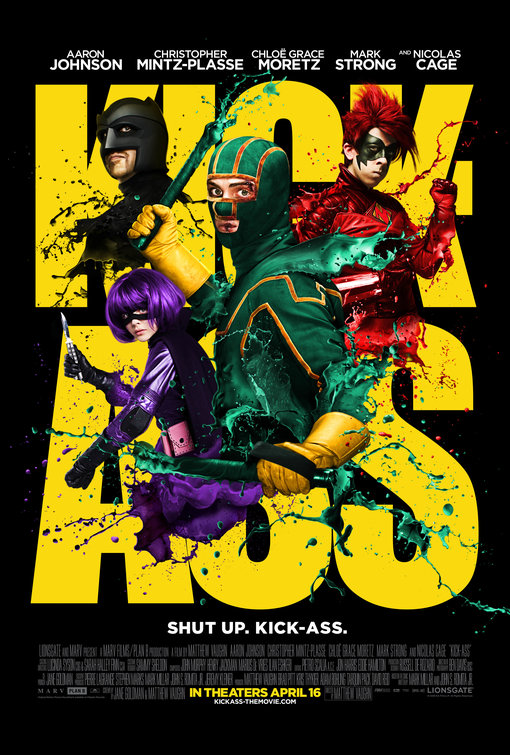
This was so ridiculously over-the-top in so many ways, I don't know where to begin. Yes, it's foul-mouthed, violent and bloodier than many slasher flicks. It was also incredibly funny in the subversive way that it simultaneously mocked and celebrated the superhero genre. For an in-depth examination of the superhero mystique that isn't a comic-book movie, see The Incredibles or Unbreakable. If you want to see what it would really be like for someone to pull a Batman, see this.
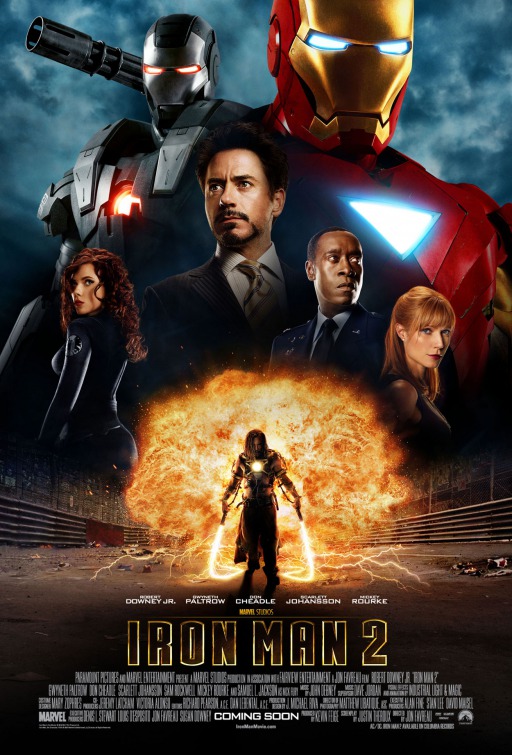
9. Iron Man 2
8. Tron: Legacy
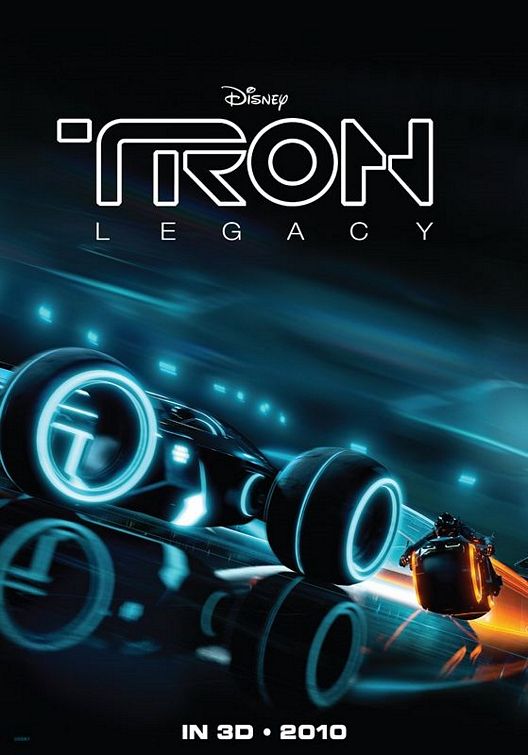
I am old enough to have seen Tron in theatres, and was absolutely enthralled. It was one of the first DVDs I ever bought, and I willingly double-dipped for the 20th Anniversary edition when it came out. I didn't see Tron: Legacy until it was close to the end of its run (in 3D), but it was well worth it. Cheesy dialogue? Check. Contrived plot? Check. Wooden acting? Not so much this time around. Mind-blowing visuals? Check and double-check. If atmosphere was mandatory for a film to qualify for an Oscar run, this had it. Did I mention how much I loved the Daft Punk score?
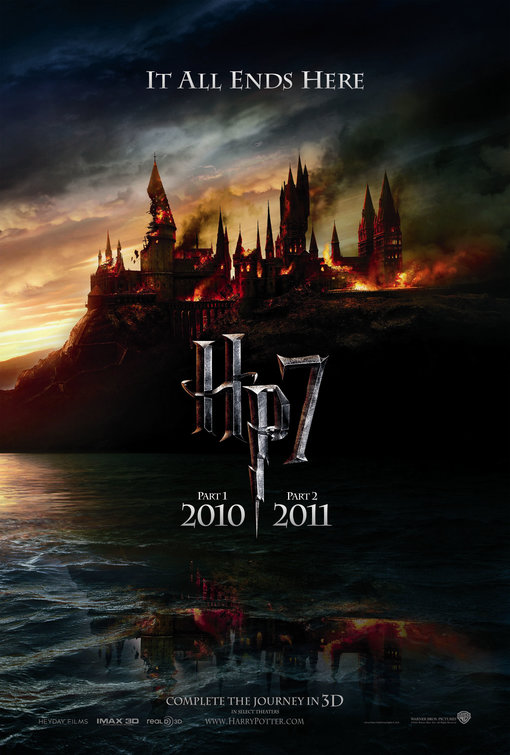
7. Harry Potter and the Deathly Hallows, Part I
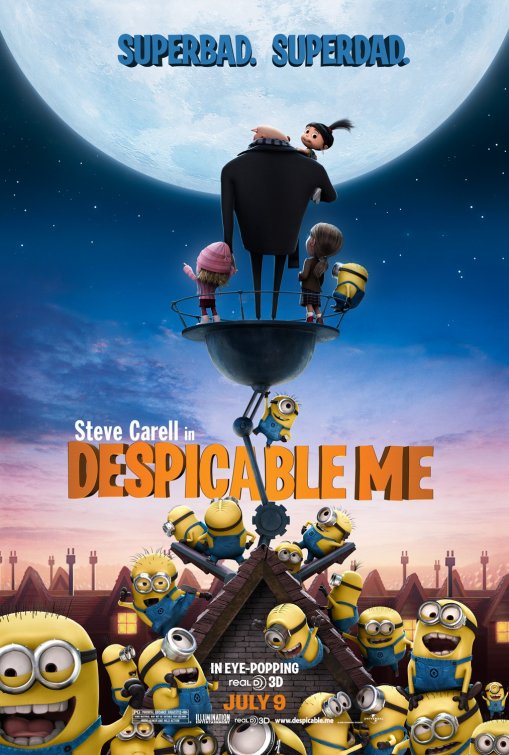
6. Despicable Me
5. The Losers
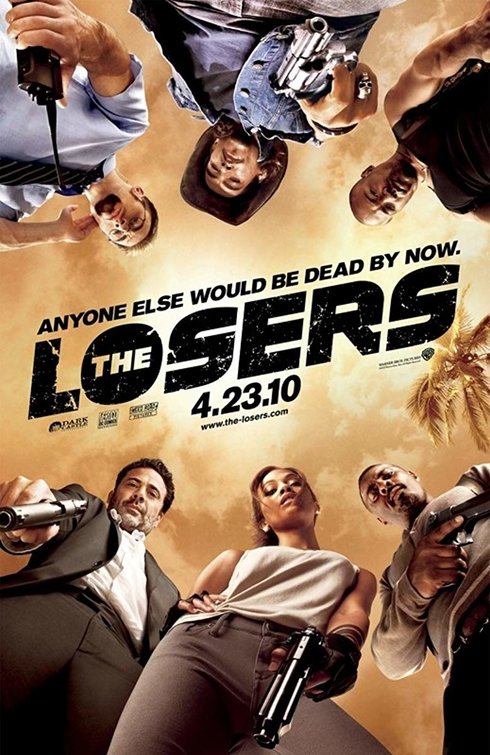
There were a bunch of similarly themed "mercenaries out to clear their names" films, including the TV-based "The A-Team", which I still have yet to see. This was the first out of the gate this year and was just plain fun. Although based on a graphic novel series, no one is taking him or herself too seriously, making this an enjoyable ride of a film.
4. RED
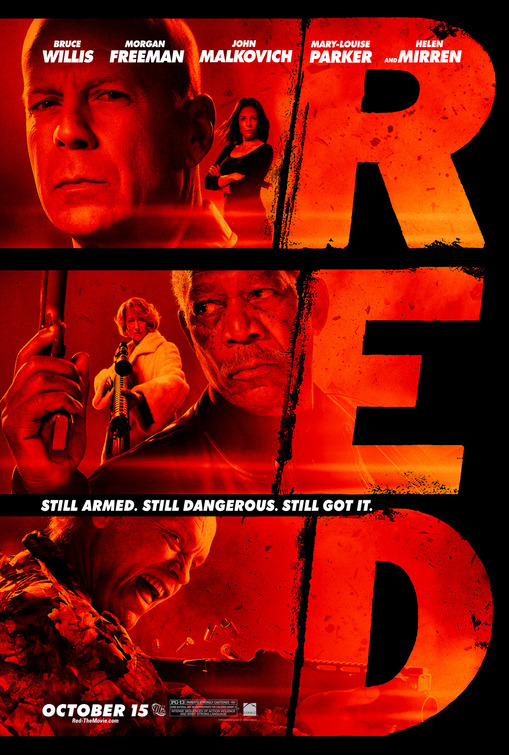
This has a lot in common with #5, except that the names are more recognizable. A fun piece of the action pie, again based on a graphic novel series (from the same publisher as The Losers, no less), and the rare kind of action movie that even my wife enjoys. Wouldn't mind a sequel in the least.
3. Toy Story 3
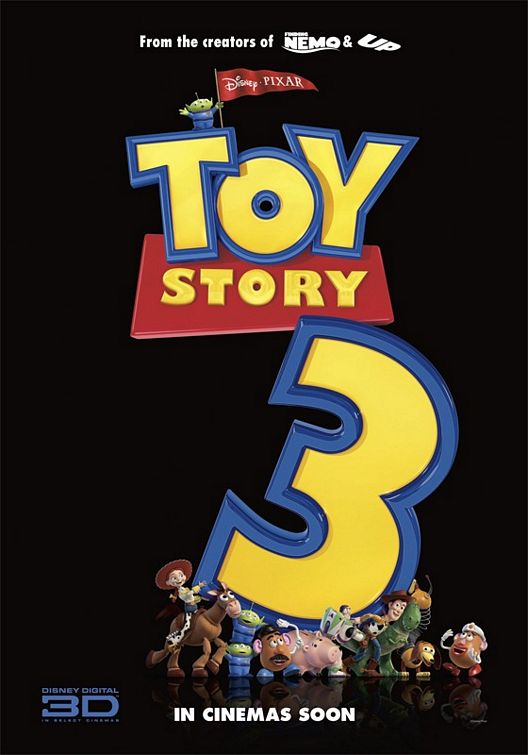
Pixar has yet to make a movie that I dislike. The ending came very close to making me cry. Why is it that a computer animation company is one of the very few making films with heart these days?
2. Inception
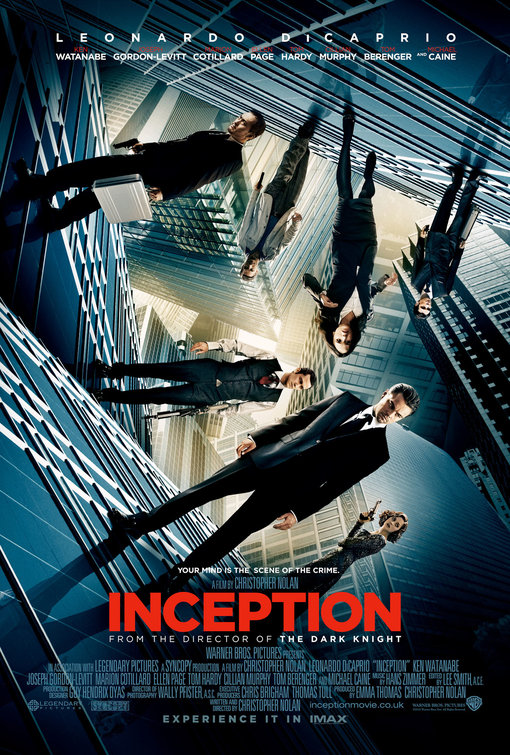
Call me a sheep if you like, but I found this latest project from Christopher Nolan to be one of the best made films this year. Much like The Prestige, just thinking about it makes me appreciate it more.
1. Scott Pilgrim vs. The World
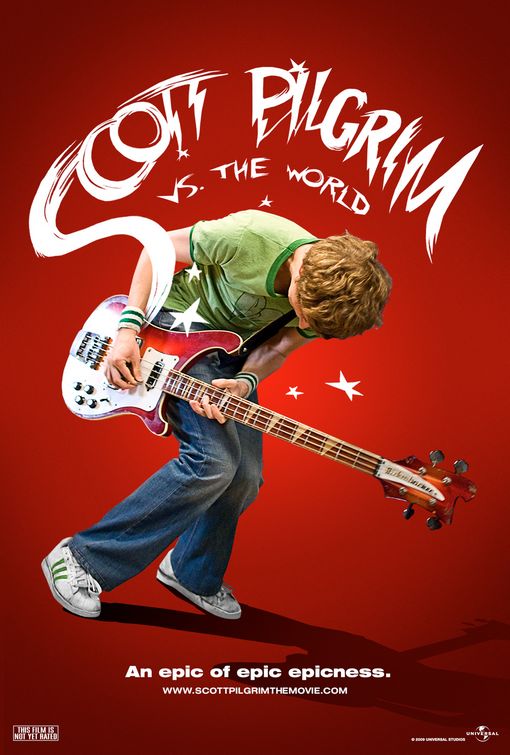
I'll just admit right now that I am a huge fan of Edgar Wright's work, but this movie took Wright's hyper-caffeinated personality and visuals and put it to its best use yet. Those Michael Cera haters who actively resisted this films charms, get over yourselves and see this now, because this was the most visually inventive, genre-busting film of the year. Also one of my favourite soundtracks this year.
Top 10 Albums of the Year
I'll dispense with the images this time around, and warn that when it comes to music, I don't rank the albums, as each has it's own unique merits.
10. OK Go- Of the Blue Colour of the Sky
This little mind-bending opus, produced by Dave Fridmann (The Flaming Lips, Mercury Rev, MGMT) cranked the fuzz and distortion to 11, offering a falsetto-drenched homage to the music of the 80s. Its closest cousin would be Beck's Midnite Vultures, but Damian Kulash and Co. do much better at the whole blue-eyed soul and funk thing.
9. Deadmau5- 4x4=12
I have only recently discovered Deadmau5, but like good dance music before him, there is a constantly transforming groove (think Daft Punk, The Chemical Brothers, etc.). This is great driving music and since I spend most of my time in the car these days, I can heartily recommend it for that purpose.
8. Hot Hot Heat- Future Breeds
Some bands thrive in the major label world, while others get stifled after awhile. Hot Hot Heat definitely falls into the latter category, as their latest album really seems to benefit from their newfound freedom. Just listen to tracks like 21@12 and Goddess of the Prairie and feel the joy of liberty. It's infectious.
7. Mike Patton- Mondo Cane
It is indeed a crazy world as Faith No More's best known frontman and one of the most amazing voices in rock music takes on Italian pop and movie themes. It doesn't matter that you can't understand a word that he's saying, because the craftsmanship evident here is outstanding. Plus, you can always drive your family nuts by putting the primal screams of Urlo Negro on your alarm clock. They may never forgive you after it gets stuck in their heads.
6. Daft Punk- Tron: Legacy Soundtrack
Guy-Manuel de Homem-Christo and Thomas Bangalter don their shiny helmets and dance us into the world of the machine- "The Grid". Along the way, something interesting happens: they turn in an album that is equal measures electronic bliss and classic orchestral scoring that can stand with the best of the traditional film scorers.
5. Various Artists- Scott Pilgrim vs. The World Soundtrack
I will admit that some of the music on this set isn't exactly new, but the material created specifically for the film by Beck, Broken Social Scene, Metric and others really rocks and really sets the tone for the film. If you can track it down, find the original score album with contributions by Nigel Godrich and Dan the Automator among others. I'll shut up now to save myself the embarassment of gushing too muc about this movie and its music.
4. Florence and the Machine- Lungs
This album really rocks. As modern rock albums go, this is tops.
3. Linkin Park- A Thousand Suns
Minutes to Midnight marked a change in direction for Linkin Park, and some said it went too far away from their nu-metal/rap-rock roots. Listen to this one and you'll hear the sound of a band maturing and honing its sound; not in the narcissistic way U2 did with The Joshua Tree, but in a logical and natural fashion.
2. The Black Keys- Brothers
The Black Keys are like the anti-White Stripes, in that even though there's only two of them, it doesn't sound like just two people. Their authentic-sounding swamp blues reminds me of another white band that nailed that Southern-fried feeling, yet created a sound all their own: Creedence Clearwater Revival. Love this album.
1. Crowded House- Intriguer
There's something to be said for aging gracefully. Neil Finn is still the greatest modern songwriter my generation has had the opportunity to experience. There is an aching beauty to his music not present anywhere else.
Monday, January 17, 2011
Music Today, and Why the Third Album Theory May No Longer Be Relevant
The music landscape today is a labyrinth compared to the pre-MP3 era. It used to be that we were fed a steady diet of music according to genre by the radio; if you heard a song you liked, you waited until the radio announced the name of the song and the recording artist, and you would head off to either the record store or the department store to try and find either the single or the album. I know I'm dating myself with those terms, but that was the way it was. Now, you either browse through iTunes, check out artist profiles on mySpace or Facebook, or swap playlists with friends. This fragmentation has yielded two results: audiences for an individual group or artist are smaller, and at the same time the pop music industry has become more homogenous and beat-oriented than ever. There are only a handful of acts who can still command stadium crowds, and those acts aren't getting any younger. Some artists can ride the coattails of these acts and widen their fanbase, but a lot of people are mourning the loss of the "album artist." While I think such mourning may be premature, it is a hard reality that the recorded music industry is a shadow of its former self.
For the record, I came of music-buying age when vinyl was still king, but the cassette tape was rising through the ranks, and the 8-track was dying a slow and painful death. I preferred cassettes for their portability and recordability, although my first music that I actually had a hand in choosing was vinyl. One Christmas, my brother and I both received albums: he got Queen's Greatest Hits, and I got Time by ELO. I loved that album, and it became a gateway to discovering other music by ELO, which I later discovered stood for Electric Light Orchestra. I began rabidly devouring whatever I could get my hands on by this band, but rapidly discovered that a lot of ELO's back catalogue was not locally available. I would have to hunt around, particularly on vacation in hopes of securing an elusive older album. Most of such hunts would be fruitless, but part of the fun was discovering other bands along the way. Now, I can simply look them up on iTunes or any other online content provider and discover most, if not all of their back catalogue available for download. While this is a boon, it is also a two-edged sword: there is no thrill of the hunt anymore.
There is also no gradual uncovering of a band's evolution, which leads to the second half of this week's title: the Third Album Theory. This is an unwritten rule in the music industry, which goes something like this: a band or recording artist's musical direction is usually cemented by the content of the act's third album. To take ELO as an example, their third album was (appropriately enough) On the Third Day, a title which denoted a third album, as well as making reference to the "let there be light" passage in Genesis, which occurred on the third day of Creation, of course. This album laid out the general musical direction for subsequent ELO albums, being a more pop-oriented and less experimemtal direction than ELO and ELO II (not to be confused with ELO Part II, which is a completely different story). Eventually, the band would experiment more with electronics, almost completely abandoning strings, but the pop focus would remain. Since I "discovered" ELO late in its life cycle, I wouldn't realise the evolution that had taken place until much later in life, but I did discover other artists and bands that fit into the Third Album mould:
Queen- Sheer Heart Attack--a drastic departure from the epic song suites and prog-rock of their first two albums.
U2-War--an album I still consider their best, and a clear indication that the band was heading into more political, yet more pop and less punk-oriented sounds.
Ultravox-Systems of Romance and Quartet--this one's a bit of a cheat, as I picked the third album by both iterations of this band, but the theory really does apply. A cohesiveness exists in Systems of Romance that would go on to inform the next iteration of the band, and Quartet cements the musical direction of the so-called "classic" lineup of Ultravox (plus it's produced and engineered by Beatles studio mentors George Martin and Geoff Emerick respectively)
INXS-The Swing--Again, still the band's best, and a foreshadowing of the funk the band would mine for the rest of its career. The list goes on...
Of course, there are just as many bands that don't follow the Third Album Theory, especially those who came to prominence in the 60s, because output was king, and it wasn't unusual for a 60s band to release two or more albums in a year. A prime example is the Beatles. By Third Album Theory rules (and I only count the UK releases as actual albums; I know this may be seen as snobbery by some, but the UK albums are the only ones with any cohesiveness to song selection), the Beatles future musical direction would have been determined by A Hard Day's Night, a fine album to be sure, but not really indicative of what was to come. My pick for The Beatles' defining album would be Rubber Soul, which was really the first album by The Beatles that wasn't merely a loosely connected selection of songs, and dabbled in some of the musical experimentation to come.
Of course, the main thrust here is: Does the Third Album Theory even apply in the modern age of music? I would say it does on a much more limited basis than it did in the 70s, 80s or 90s. There are still bands out there that fit nicely into the Third Album criteria, but these are bands that are still actually making albums. With the single focus of today's pop music, these types of bands are becoming fewer and fewer. For your consideration I present the following:
Muse-Absolution--a song suite that alludes to both the hard rock and classical leanings of future albums. Go ahead, listen to "Butterflies and Hurricanes" and tell me you don't hear the roots of Exogenesis Symphony from The Resistance. I dare ya.
Linkin Park-Minutes to Midnight--the band does a complete 180 from their previous output and dials down the hip-hop elements of their sound without completely eliminating them. Again, their best song from A Thousand Suns, Waiting for the End, would not exist without the change in direction that occurred on Minutes to Midnight.
In conclusion, the musical landscape is a very different place from when I was in my formative years. I cannot say whether it is better or worse, because more choices are available, but the instant access limits the opportunity to really discover and stick with an artist. That being said, if it weren't for the internet and downloadable music, I doubt I would have found one of my favourite albums of 2010, Mondo Cane by Mike Patton. If you're curious, Google it; you won't regret it, even if you don't like it.
The time has come to say adios. Next topic is yet to be decided.......
For the record, I came of music-buying age when vinyl was still king, but the cassette tape was rising through the ranks, and the 8-track was dying a slow and painful death. I preferred cassettes for their portability and recordability, although my first music that I actually had a hand in choosing was vinyl. One Christmas, my brother and I both received albums: he got Queen's Greatest Hits, and I got Time by ELO. I loved that album, and it became a gateway to discovering other music by ELO, which I later discovered stood for Electric Light Orchestra. I began rabidly devouring whatever I could get my hands on by this band, but rapidly discovered that a lot of ELO's back catalogue was not locally available. I would have to hunt around, particularly on vacation in hopes of securing an elusive older album. Most of such hunts would be fruitless, but part of the fun was discovering other bands along the way. Now, I can simply look them up on iTunes or any other online content provider and discover most, if not all of their back catalogue available for download. While this is a boon, it is also a two-edged sword: there is no thrill of the hunt anymore.
There is also no gradual uncovering of a band's evolution, which leads to the second half of this week's title: the Third Album Theory. This is an unwritten rule in the music industry, which goes something like this: a band or recording artist's musical direction is usually cemented by the content of the act's third album. To take ELO as an example, their third album was (appropriately enough) On the Third Day, a title which denoted a third album, as well as making reference to the "let there be light" passage in Genesis, which occurred on the third day of Creation, of course. This album laid out the general musical direction for subsequent ELO albums, being a more pop-oriented and less experimemtal direction than ELO and ELO II (not to be confused with ELO Part II, which is a completely different story). Eventually, the band would experiment more with electronics, almost completely abandoning strings, but the pop focus would remain. Since I "discovered" ELO late in its life cycle, I wouldn't realise the evolution that had taken place until much later in life, but I did discover other artists and bands that fit into the Third Album mould:
Queen- Sheer Heart Attack--a drastic departure from the epic song suites and prog-rock of their first two albums.
U2-War--an album I still consider their best, and a clear indication that the band was heading into more political, yet more pop and less punk-oriented sounds.
Ultravox-Systems of Romance and Quartet--this one's a bit of a cheat, as I picked the third album by both iterations of this band, but the theory really does apply. A cohesiveness exists in Systems of Romance that would go on to inform the next iteration of the band, and Quartet cements the musical direction of the so-called "classic" lineup of Ultravox (plus it's produced and engineered by Beatles studio mentors George Martin and Geoff Emerick respectively)
INXS-The Swing--Again, still the band's best, and a foreshadowing of the funk the band would mine for the rest of its career. The list goes on...
Of course, there are just as many bands that don't follow the Third Album Theory, especially those who came to prominence in the 60s, because output was king, and it wasn't unusual for a 60s band to release two or more albums in a year. A prime example is the Beatles. By Third Album Theory rules (and I only count the UK releases as actual albums; I know this may be seen as snobbery by some, but the UK albums are the only ones with any cohesiveness to song selection), the Beatles future musical direction would have been determined by A Hard Day's Night, a fine album to be sure, but not really indicative of what was to come. My pick for The Beatles' defining album would be Rubber Soul, which was really the first album by The Beatles that wasn't merely a loosely connected selection of songs, and dabbled in some of the musical experimentation to come.
Of course, the main thrust here is: Does the Third Album Theory even apply in the modern age of music? I would say it does on a much more limited basis than it did in the 70s, 80s or 90s. There are still bands out there that fit nicely into the Third Album criteria, but these are bands that are still actually making albums. With the single focus of today's pop music, these types of bands are becoming fewer and fewer. For your consideration I present the following:
Muse-Absolution--a song suite that alludes to both the hard rock and classical leanings of future albums. Go ahead, listen to "Butterflies and Hurricanes" and tell me you don't hear the roots of Exogenesis Symphony from The Resistance. I dare ya.
Linkin Park-Minutes to Midnight--the band does a complete 180 from their previous output and dials down the hip-hop elements of their sound without completely eliminating them. Again, their best song from A Thousand Suns, Waiting for the End, would not exist without the change in direction that occurred on Minutes to Midnight.
In conclusion, the musical landscape is a very different place from when I was in my formative years. I cannot say whether it is better or worse, because more choices are available, but the instant access limits the opportunity to really discover and stick with an artist. That being said, if it weren't for the internet and downloadable music, I doubt I would have found one of my favourite albums of 2010, Mondo Cane by Mike Patton. If you're curious, Google it; you won't regret it, even if you don't like it.
The time has come to say adios. Next topic is yet to be decided.......
Tuesday, December 14, 2010
What is Censorship, and is it good or bad?
This is a topic that has been a hot button for most of my life, and seems to come to the fore every 20 years or so, especially in the realm of film. My personal position on censorship is as follows: everyone should have the right to speak freely, but that doesn't mean I have to like what you say; however, because I consider it a fundamental right, I will defend your right to say it.
How does this fit into the world of film? Well, censorship has gone on in the film industry for decades now; close to 100 years, in fact. In the early days of filmmaking, there was no censorship, but by the early 1930s, certain religious groups (read: The Catholic League of Decency) began pressuring Hollywood, not only about content, but about storylines and how morality was portrayed in film. Enter the Hays Office and the Motion Picture Code in 1930, which began to dictate to Hollywood what was and was not acceptable in films. While the Code was created in 1930, it wasn't seriously enforced until 1933. Examples from the Hays Code era included the following:
The first major assault on the MPAA ratings system was in 1984, when the PG-13 rating was created. Up until that time, only G, PG, R, and X existed, and there was a perceived gap between PG and R, since there were no restrictions on who could attend a PG movie. Universal Studios and Steven Spielberg had tried to draw attention to this perceived gap by attaching a warning to the 1975 film Jaws: "Some scenes may be too intense for younger viewers." There had intially been an M rating when the ratings system was created, but this was changed to GP (and later PG) when it was discovered that some people thought the M rating was actually more restrictive than the R rating. The catalyst in 1984 for the creation of the PG-13 rating came in the form of two films in which Steven Spielberg was involved: Indiana Jones and the Temple of Doom, which he directed and to which he attached the "Some scenes may be too intense for younger viewers." warning; and Gremlins, on which he served as executive producer. Spielberg worked closely with the MPAA in the creation of the PG-13 rating, and later re-submitted Indiana Jones and the Temple of Doom to the Ratings Board, at which time it was given a PG-13.
The next major standoff came in 1990 with the release of several controversial films: Peter Greenaway's The Cook, the Thief, his Wife and her Lover, Pedro Almodovar's Tie Me Up, Tie Me Down, and John McNaughton's Henry: Portrait of a Serial Killer, all of which addressed unsavoury subject matter with explicit and graphic detail. The problem these films ran into was a product of both the MPAA and the National Association of Theater Owners (NATO... no, not that one). The original MPAA ratings had included the X rating, which for reasons known only to Jack Valenti, longtime head of the MPAA, was never trademarked and was never applied by the Ratings Board itself; it was to be applied by the producers if they could not secure an R rating from the Board. When the ratings first came out, the X was a badge of honour to some filmmakers, signifying that what they had created was for adult audiences only, but not pornographic per se: these films addressed adult subject matter in a manner perceived as frank and honest. As an example, Midnight Cowboy was the first and only film with an X rating to win the Best Picture Oscar (it was later re-rated R on appeal). However, the MPAA had stepped in a hornet's nest by not trademarking the X rating. Since they did not hold trademark rights, anyone could use the rating, and it wasn't long before pornographers started applying the rating to their product, even going so far as to invent the XXX rating.
By 1974, the X rating was a pariah, as NATO theatres refused to book films with an X rating. In 1978, George A. Romero was able to persuade NATO to book Dawn of the Dead without a rating, a rare decision premised on the basis that no one under 18 would be permitted into a theatre showing the film. Otherwise, both unrated and X rated films were painted with the same brush by NATO. Further, newspapers would refuse to run advertising for X rated and unrated films. The producers of the three films mentioned above decided to release their films unrated, which is why most people haven't heard of them, but by 1990, the pressure was building on Valenti and company at the MPAA to create a new "adults only" rating, one that could not be appropriated by the porn industry. The filmmakers behind this movement pushed for an "A" rating, signifying adult content. What Valenti gave them was NC-17, initially meaning no children under 17 admitted, but later changed to no children 17 and under admitted. Initially, the rating was a modest success, as people were curious what an NC-17 film would contain, but eventually, the NC-17 rating was painted with the same brush as the X, because the Ratings Board seldom rated excessively violent material with an NC-17 and appeared to limit it to explicit sexual content. Again, the newspapers started refusing to run advertising, and many filmmakers, feeling slighted by the MPAA, began releasing their films unrated again.
Why is all of this fascinating to a Canuck like me? It's because I see the MPAA ratings system as irreparably broken. I look at ratings systems all around the world and I see one thing that all of them, with the exception of the MPAA, have: specific content guidelines combined with restrictions that go below the age of 17 well into the teen category. In my home province, the ratings are as follows: G, PG, 14A, 18A, R and A. G and PG are unrestricted ratings; anyone can get in. 14A means no one under 14 admitted without an adult, 18A means no one under 18 admitted without an adult, R means no one under 18 admitted, and A means no one under 18 admitted with the additional proviso that A-rated films contain explicit sex. Compare 14A with PG-13, which is simply "Parents Strongly Cautioned: Some material may be inappropriate for children under 13" and you see what I'm getting at. There is nothing preventing a 7-year old kid from buying a ticket to a PG-13 movie and walking in to watch it. Absolutely nothing. If the same kid tried to get into the same movie in Canada (which more often than not would carry a 14A rating), he'd be denied. The MPAA says time and time again that it is not a censorship board, but when it simply offers guidance on lower ratings and stigmatises films with higher ratings by limiting their commercial prospects with a rating that the industry has seen as synonymous with pornography, what conclusion is to be drawn by filmmakers and the moviegoing public? It is a conflicted and internally inconsistent system. If it had clearer objectives and less arbitrary guidelines than "more than one use of a four letter word starting with f and rhyming with duck will get you an R" or "more than 3 pelvic thrusts in a sex scene will get you an NC-17", it might make more sense. As it stands, the Ratings Board comes across as more than a little silly.
Let's be clear: I do not have a hate-on for the MPAA. Some of their recent reforms have been quite useful, like the information box below the rating that provides the reasons for the rating, and indications that smoking is present in a film, but even these fall into mealy-mouthed arbitrariness. Consider The Virgin Suicides, a critically acclaimed adaptation of a novel by Jeffrey Eugenides. The film is rated R and contains brief graphic violence and a few scenes where sex is implied. The language is very tame, and the overall effect of the film is one that would probably get a PG-13 but for the taboo of discussing suicide (yet another arbitrary call by the MPAA). What does the info box say on this film? Rated R for "strong thematic elements involving teens." What does that even mean? I understand that the film is centred around teenagers, but what are "strong thematic elements"? Incest? Suicide? Bestiality? Torturing animals? Pulling wings off flies? It's so ambiguous as to encompass everything and nothing all at once. What was the rating in Canada? 14A, a far more sensible outcome. The irony is that it used to be that films from around the world, including the US, were routinely censored by the Ontario Board of Censors for the entire country; now, the US, through the MPAA, censors the films for the rest of the world before they even get rated.
What is current MPAA chair Dan Glickman's solution to the whole NC-17 debacle? Yet another new rating, which he calls "Hard R". Same R rating with a stern warning about content. Sounds like PG-13 all over again. It shouldn't surprise anyone that the latest controversy to rock the MPAA was giving the drama Blue Valentine an NC-17 for, you guessed it, graphic sexuality. It was eventually overturned and re-rated R, but if the MPAA ever expects to be taken seriously as advising the public about content and helping people make decisions about what they want their kids to watch, they should look at the world around them, scrap the upper 3 ratings in the system and start from scratch.
Let's be clear: I am not a censorship advocate. I am a sensibility advocate. Preventing someone from seeing a movie because he lacks the maturity to handle its content is not censorship, it's common sense. Ratings systems around the world realise this. Do the research and compare country to country. You will find remarkable similarities in the ratings systems with the glaring exception of the USA.
Next time: Music criticism and the three album theory.
How does this fit into the world of film? Well, censorship has gone on in the film industry for decades now; close to 100 years, in fact. In the early days of filmmaking, there was no censorship, but by the early 1930s, certain religious groups (read: The Catholic League of Decency) began pressuring Hollywood, not only about content, but about storylines and how morality was portrayed in film. Enter the Hays Office and the Motion Picture Code in 1930, which began to dictate to Hollywood what was and was not acceptable in films. While the Code was created in 1930, it wasn't seriously enforced until 1933. Examples from the Hays Code era included the following:
- A criminal could never be seen to be successful by the end of a film. The law would always have to prevail;
- Certain words (and not just profanity) were not allowed to be spoken in a film or appear onscreen;
- If a scene called for the characters to be on the bed in a bedroom, each actor had to keep one foot on the floor, regardless of the relationship between the characters (this one is not specifically worded this way in the Code, but was the way that the Hays Office enforced decency in the bedroom).
The first major assault on the MPAA ratings system was in 1984, when the PG-13 rating was created. Up until that time, only G, PG, R, and X existed, and there was a perceived gap between PG and R, since there were no restrictions on who could attend a PG movie. Universal Studios and Steven Spielberg had tried to draw attention to this perceived gap by attaching a warning to the 1975 film Jaws: "Some scenes may be too intense for younger viewers." There had intially been an M rating when the ratings system was created, but this was changed to GP (and later PG) when it was discovered that some people thought the M rating was actually more restrictive than the R rating. The catalyst in 1984 for the creation of the PG-13 rating came in the form of two films in which Steven Spielberg was involved: Indiana Jones and the Temple of Doom, which he directed and to which he attached the "Some scenes may be too intense for younger viewers." warning; and Gremlins, on which he served as executive producer. Spielberg worked closely with the MPAA in the creation of the PG-13 rating, and later re-submitted Indiana Jones and the Temple of Doom to the Ratings Board, at which time it was given a PG-13.
The next major standoff came in 1990 with the release of several controversial films: Peter Greenaway's The Cook, the Thief, his Wife and her Lover, Pedro Almodovar's Tie Me Up, Tie Me Down, and John McNaughton's Henry: Portrait of a Serial Killer, all of which addressed unsavoury subject matter with explicit and graphic detail. The problem these films ran into was a product of both the MPAA and the National Association of Theater Owners (NATO... no, not that one). The original MPAA ratings had included the X rating, which for reasons known only to Jack Valenti, longtime head of the MPAA, was never trademarked and was never applied by the Ratings Board itself; it was to be applied by the producers if they could not secure an R rating from the Board. When the ratings first came out, the X was a badge of honour to some filmmakers, signifying that what they had created was for adult audiences only, but not pornographic per se: these films addressed adult subject matter in a manner perceived as frank and honest. As an example, Midnight Cowboy was the first and only film with an X rating to win the Best Picture Oscar (it was later re-rated R on appeal). However, the MPAA had stepped in a hornet's nest by not trademarking the X rating. Since they did not hold trademark rights, anyone could use the rating, and it wasn't long before pornographers started applying the rating to their product, even going so far as to invent the XXX rating.
By 1974, the X rating was a pariah, as NATO theatres refused to book films with an X rating. In 1978, George A. Romero was able to persuade NATO to book Dawn of the Dead without a rating, a rare decision premised on the basis that no one under 18 would be permitted into a theatre showing the film. Otherwise, both unrated and X rated films were painted with the same brush by NATO. Further, newspapers would refuse to run advertising for X rated and unrated films. The producers of the three films mentioned above decided to release their films unrated, which is why most people haven't heard of them, but by 1990, the pressure was building on Valenti and company at the MPAA to create a new "adults only" rating, one that could not be appropriated by the porn industry. The filmmakers behind this movement pushed for an "A" rating, signifying adult content. What Valenti gave them was NC-17, initially meaning no children under 17 admitted, but later changed to no children 17 and under admitted. Initially, the rating was a modest success, as people were curious what an NC-17 film would contain, but eventually, the NC-17 rating was painted with the same brush as the X, because the Ratings Board seldom rated excessively violent material with an NC-17 and appeared to limit it to explicit sexual content. Again, the newspapers started refusing to run advertising, and many filmmakers, feeling slighted by the MPAA, began releasing their films unrated again.
Why is all of this fascinating to a Canuck like me? It's because I see the MPAA ratings system as irreparably broken. I look at ratings systems all around the world and I see one thing that all of them, with the exception of the MPAA, have: specific content guidelines combined with restrictions that go below the age of 17 well into the teen category. In my home province, the ratings are as follows: G, PG, 14A, 18A, R and A. G and PG are unrestricted ratings; anyone can get in. 14A means no one under 14 admitted without an adult, 18A means no one under 18 admitted without an adult, R means no one under 18 admitted, and A means no one under 18 admitted with the additional proviso that A-rated films contain explicit sex. Compare 14A with PG-13, which is simply "Parents Strongly Cautioned: Some material may be inappropriate for children under 13" and you see what I'm getting at. There is nothing preventing a 7-year old kid from buying a ticket to a PG-13 movie and walking in to watch it. Absolutely nothing. If the same kid tried to get into the same movie in Canada (which more often than not would carry a 14A rating), he'd be denied. The MPAA says time and time again that it is not a censorship board, but when it simply offers guidance on lower ratings and stigmatises films with higher ratings by limiting their commercial prospects with a rating that the industry has seen as synonymous with pornography, what conclusion is to be drawn by filmmakers and the moviegoing public? It is a conflicted and internally inconsistent system. If it had clearer objectives and less arbitrary guidelines than "more than one use of a four letter word starting with f and rhyming with duck will get you an R" or "more than 3 pelvic thrusts in a sex scene will get you an NC-17", it might make more sense. As it stands, the Ratings Board comes across as more than a little silly.
Let's be clear: I do not have a hate-on for the MPAA. Some of their recent reforms have been quite useful, like the information box below the rating that provides the reasons for the rating, and indications that smoking is present in a film, but even these fall into mealy-mouthed arbitrariness. Consider The Virgin Suicides, a critically acclaimed adaptation of a novel by Jeffrey Eugenides. The film is rated R and contains brief graphic violence and a few scenes where sex is implied. The language is very tame, and the overall effect of the film is one that would probably get a PG-13 but for the taboo of discussing suicide (yet another arbitrary call by the MPAA). What does the info box say on this film? Rated R for "strong thematic elements involving teens." What does that even mean? I understand that the film is centred around teenagers, but what are "strong thematic elements"? Incest? Suicide? Bestiality? Torturing animals? Pulling wings off flies? It's so ambiguous as to encompass everything and nothing all at once. What was the rating in Canada? 14A, a far more sensible outcome. The irony is that it used to be that films from around the world, including the US, were routinely censored by the Ontario Board of Censors for the entire country; now, the US, through the MPAA, censors the films for the rest of the world before they even get rated.
What is current MPAA chair Dan Glickman's solution to the whole NC-17 debacle? Yet another new rating, which he calls "Hard R". Same R rating with a stern warning about content. Sounds like PG-13 all over again. It shouldn't surprise anyone that the latest controversy to rock the MPAA was giving the drama Blue Valentine an NC-17 for, you guessed it, graphic sexuality. It was eventually overturned and re-rated R, but if the MPAA ever expects to be taken seriously as advising the public about content and helping people make decisions about what they want their kids to watch, they should look at the world around them, scrap the upper 3 ratings in the system and start from scratch.
Let's be clear: I am not a censorship advocate. I am a sensibility advocate. Preventing someone from seeing a movie because he lacks the maturity to handle its content is not censorship, it's common sense. Ratings systems around the world realise this. Do the research and compare country to country. You will find remarkable similarities in the ratings systems with the glaring exception of the USA.
Next time: Music criticism and the three album theory.
Saturday, November 27, 2010
Getting Started, or Why the Canadian Music Industry Annoys Me at Times
So, several members of my family have started blogging, so I figured I'd give it a shot. However, rather than be self-absorbed and just talk about me, I thought I'd discuss certain current events, particularly those that involve the changing media landscape. I will reveal certain details about myself in this blog, but just enough to keep things interesting.
First off, I am a lawyer, but because of the type of law I practice, I'm not going to regale you with witty stories about the law unless they serve a purpose. That's your tidbit for this entry.
What has captured my interest this week is a story I heard on the radio driving to work this week. It seems that a group of Canadian recording artists has banded together and presented a petition to the government to have them institute a levy on digital music players. You can read the whole story here: http://toronto.ctv.ca/servlet/an/local/CTVNews/20101125/canada-musicians-mp3-levy-101125/20101125/?hub=TorontoNewHome. This is not exactly a ground-breaking idea, and the fact that such a levy was shot down by the courts back in 2004 tells you something about the kind of traction this idea is going to gain. The ideas, as I understand it, is to replace the previous revenue stream generated from levies on the sale of blank cassettes and CDs. What makes me laugh about this particular petition are the signatories: Anne Murray, Nickelback (who would annoy me anyway, but now just annoy me even more), The Tragically Hip (see Nickelback), and some independent artists.
To understand where I'm coming from, a brief primer on Canadian copyright law: it's currently a mess, and while the government is trying to fix it, they are doing so from a 20 year-old model. Copyright as it was originally intended is an antiquated notion, designed to assist an author, artist, musician, etc., in collecting monies for the use of his work and help him not to get cheated by the distributors of that work. It didn't always work that way (look up John Fogerty or Creedence Clearwater Revival as examples of how not to negotiate with a record label), but things have changed dramatically in the last 15 or so years. Most people buy their music online, eschewing conventional record stores and CDs, simply because it's less of a hassle to get what they want, and they are not constrained as much by what a given store has to offer. Look around at the various digital e-tailers: if you can't find an item on iTunes, there's a good chance Napster, Rhapsody, eMusic or any number of websites will have it. Some artists sell their music direct from their own websites with varying degrees of success. The world has changed, and copyright law is struggling to catch up.
Back to Canada. The music royalty organization for our beloved Great White North is called SOCAN (Society of Composers, Authors and Music Publishers of Canada). This group distributes royalties to Canadian recording artists based on CD sales, airplay on radio stations, online sales of digital music and (you guessed it) levies collected from blank cassette and CD sales. Everything but the blanks is pretty straightforward: every time your song gets played or sold, you get a percentage. With the blank media, the percentage of that levy an artists gets is based on their percentage of music sales. Simply put, who gains the most out of these levies? The Nickelbacks and Tragically Hips of the Canadian music scene. Bryan Adams, who hasn't put out a hit record in years, will collect a substantial amount of blank media levy simply because his back catalogue sells well. As for the independent artists, some of whom signed the petition, their percentage of the levy will amount to a drop in the bucket, while someone like Celine Dion may collect as much as $5 out of every $50 digital player levy. It's wrongheaded, much like CanCon rules are wrongheaded, but that's a topic for another entry.
Look around the world. What have artists outside of Canada done to supplement their revenue in the face of dwindling record sales? They went on tour. Why? Because an artist can make more on a well-planned tour than he can from a multi-million selling CD. Headlining acts make obscene amounts of money from tour dates before you even factor in merchandise sales, and it's because there is a lot more room to negotiate with a promoter than there is with a record label. This is why acts like OK Go, Nine Inch Nails and Radiohead have gone independent and tour like crazy. They have changed their view of recorded music to that of a loss leader: a promotional item to get people to come and see them on tour. Because they are in complete control of that product, they also control how it is marketed, and can provide added incentives to get their music into people's hands.
As an example, take the band Stamps, an indie band based in California (which features Bob Morris of The Hush Sound, one of my favourite indie bands of all time). They are using all of the current methods to promote their music (Facebook, YouTube, MySpace, etc.) and selling their album from their own website. Here's where it gets interesting: they sell the album for $10, which includes a digital download, a CD, stickers and a guitar pick. If you click on the link above, you can see that their are other "added value" packages, which go all the way up to a gag $10,000 offer, but the $1,000 offer is the most intriguing. They send you everything in the other offers, plus the next time they play a show near you (which with a $1,000 price tag pretty much guarantees the show will be near you), you and 20 of your closest friends get to attend. They're selling the idea of investing in something you believe in. It's venture capitalism at the ground level. When you contrast that with a bunch of sniveling, groveling cash cows who want to tax your iPod, I know where my money would be better spent, even if I can't afford the $1,000 package. The other acts I referred to above offer similar incentives for buying directly from them, if not quite as adventurous, but give Stamps points for creativity, which isn't restricted to their marketing; the songs I've heard so far make Nickelback and The Tragically Hip sound like the tired retreads they are.
I would encourage anyone reading this (especially those from Canada) to make their opinions heard on this latest development however you see fit. Blog, contact your MP, write a letter to the editor. At this point, the government isn't taking this proposal seriously, but we need to make sure they don't.
Next time: Is censorship really a bad thing?
First off, I am a lawyer, but because of the type of law I practice, I'm not going to regale you with witty stories about the law unless they serve a purpose. That's your tidbit for this entry.
What has captured my interest this week is a story I heard on the radio driving to work this week. It seems that a group of Canadian recording artists has banded together and presented a petition to the government to have them institute a levy on digital music players. You can read the whole story here: http://toronto.ctv.ca/servlet/an/local/CTVNews/20101125/canada-musicians-mp3-levy-101125/20101125/?hub=TorontoNewHome. This is not exactly a ground-breaking idea, and the fact that such a levy was shot down by the courts back in 2004 tells you something about the kind of traction this idea is going to gain. The ideas, as I understand it, is to replace the previous revenue stream generated from levies on the sale of blank cassettes and CDs. What makes me laugh about this particular petition are the signatories: Anne Murray, Nickelback (who would annoy me anyway, but now just annoy me even more), The Tragically Hip (see Nickelback), and some independent artists.
To understand where I'm coming from, a brief primer on Canadian copyright law: it's currently a mess, and while the government is trying to fix it, they are doing so from a 20 year-old model. Copyright as it was originally intended is an antiquated notion, designed to assist an author, artist, musician, etc., in collecting monies for the use of his work and help him not to get cheated by the distributors of that work. It didn't always work that way (look up John Fogerty or Creedence Clearwater Revival as examples of how not to negotiate with a record label), but things have changed dramatically in the last 15 or so years. Most people buy their music online, eschewing conventional record stores and CDs, simply because it's less of a hassle to get what they want, and they are not constrained as much by what a given store has to offer. Look around at the various digital e-tailers: if you can't find an item on iTunes, there's a good chance Napster, Rhapsody, eMusic or any number of websites will have it. Some artists sell their music direct from their own websites with varying degrees of success. The world has changed, and copyright law is struggling to catch up.
Back to Canada. The music royalty organization for our beloved Great White North is called SOCAN (Society of Composers, Authors and Music Publishers of Canada). This group distributes royalties to Canadian recording artists based on CD sales, airplay on radio stations, online sales of digital music and (you guessed it) levies collected from blank cassette and CD sales. Everything but the blanks is pretty straightforward: every time your song gets played or sold, you get a percentage. With the blank media, the percentage of that levy an artists gets is based on their percentage of music sales. Simply put, who gains the most out of these levies? The Nickelbacks and Tragically Hips of the Canadian music scene. Bryan Adams, who hasn't put out a hit record in years, will collect a substantial amount of blank media levy simply because his back catalogue sells well. As for the independent artists, some of whom signed the petition, their percentage of the levy will amount to a drop in the bucket, while someone like Celine Dion may collect as much as $5 out of every $50 digital player levy. It's wrongheaded, much like CanCon rules are wrongheaded, but that's a topic for another entry.
Look around the world. What have artists outside of Canada done to supplement their revenue in the face of dwindling record sales? They went on tour. Why? Because an artist can make more on a well-planned tour than he can from a multi-million selling CD. Headlining acts make obscene amounts of money from tour dates before you even factor in merchandise sales, and it's because there is a lot more room to negotiate with a promoter than there is with a record label. This is why acts like OK Go, Nine Inch Nails and Radiohead have gone independent and tour like crazy. They have changed their view of recorded music to that of a loss leader: a promotional item to get people to come and see them on tour. Because they are in complete control of that product, they also control how it is marketed, and can provide added incentives to get their music into people's hands.
As an example, take the band Stamps, an indie band based in California (which features Bob Morris of The Hush Sound, one of my favourite indie bands of all time). They are using all of the current methods to promote their music (Facebook, YouTube, MySpace, etc.) and selling their album from their own website. Here's where it gets interesting: they sell the album for $10, which includes a digital download, a CD, stickers and a guitar pick. If you click on the link above, you can see that their are other "added value" packages, which go all the way up to a gag $10,000 offer, but the $1,000 offer is the most intriguing. They send you everything in the other offers, plus the next time they play a show near you (which with a $1,000 price tag pretty much guarantees the show will be near you), you and 20 of your closest friends get to attend. They're selling the idea of investing in something you believe in. It's venture capitalism at the ground level. When you contrast that with a bunch of sniveling, groveling cash cows who want to tax your iPod, I know where my money would be better spent, even if I can't afford the $1,000 package. The other acts I referred to above offer similar incentives for buying directly from them, if not quite as adventurous, but give Stamps points for creativity, which isn't restricted to their marketing; the songs I've heard so far make Nickelback and The Tragically Hip sound like the tired retreads they are.
I would encourage anyone reading this (especially those from Canada) to make their opinions heard on this latest development however you see fit. Blog, contact your MP, write a letter to the editor. At this point, the government isn't taking this proposal seriously, but we need to make sure they don't.
Next time: Is censorship really a bad thing?
Subscribe to:
Posts (Atom)